3 Things to Consider Before Dental Sedation
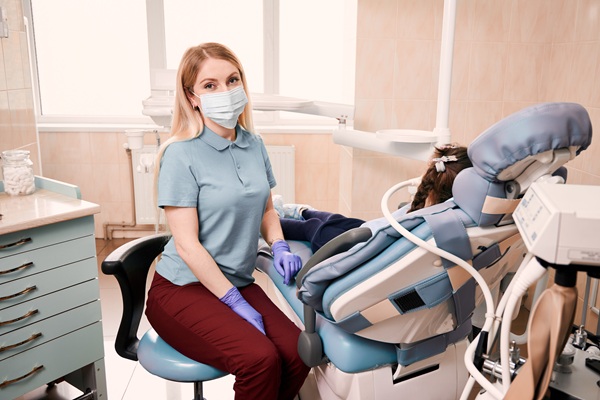
Thinking about using dental sedation during an upcoming dental visit? Those suffering from dental anxiety or fear might want to consider using dental sedation for appointments and procedures. There are a lot of benefits that can make appointments run smoother for all parties involved.
Dental sedation refers to a few different measures that dentists can provide to patients who struggle with anxiety or fear. Individuals with extreme dental anxiety will be provided with more aggressive measures, whereas those who get nervous from time to time may not need anything too intense. Patients will be closely supervised whenever they are under dental sedation, making it a safe practice.
Of course, with any dental or medical measure that is taken comes things that are crucial to be aware of. Continue reading to find out more about dental sedation and what to consider ahead of time.
About dental sedation
Learning more about dental sedation is a great idea for anyone who avoids going to the dentist due to anxiety or fear. Sedation helps patients relax to complete any necessary dental procedures. It can also minimize gag reflexes and help those with special needs. It can also be helpful when someone needs to have multiple dental procedures performed in one sitting.
According to the American Dental Association, some medications control pain, some help patients relax, and others put patients into a deep sleep-like state during dental treatment. The necessary procedure, patient's health history, and the dentist's recommendation will all play a part in determining the most suitable type of dental sedation.
Dental sedation options
The following are the dental sedation options that patients can choose from nowadays. Nitrous oxide, oral sedation, IV sedation, and general sedation. With each level comes a deeper level of sedation, which starts with an overall feeling of relaxation and ends with the patient being completely unconscious. Most patients who experience anxiety or fear will benefit from using one of the first two options, whereas oral surgery procedures may require more intense sedation options.
3 things to consider before choosing dental sedation
The following is a list of things that every dental patient should consider before choosing or undergoing dental sedation during their next dental appointment.
1. How much experience does the dentist have?
Every dentist who offers their patients sedation options should be thoroughly experienced in doing so. Doing research on more experienced dentists can be helpful later on. They are likely to know of better ways to make patients feel comfortable and in some cases, they may have had practice dealing with certain anxieties or fears that arise mid-appointment.
Separately, dentists need to be trained in using all of the correct procedures. The ADA has set forth guidelines that need to be closely followed to ensure that the sedation is administered in a safe manner. Without these guidelines, the dentist should not be offering dental sedation.
2. The patient's current state of health
Before a patient is approved to undergo dental sedation, they must inform the dentist of their complete medical history. It is also necessary to let the dental professional know what, if any, medications they are currently taking and if there are any existing health conditions. While it may be easy to skip over certain things, such as an allergy or a cold, it is crucial to disclose everything in order to avoid any complications during the administration of sedatives.
3. The side effects and risks
As with any type of sedation, there are going to be some side effects, as well as risks, involved. This makes it necessary for any patient who is considering undergoing dental sedation to discuss with their dentist the potential side effects and risks that come with their chosen level of sedation.
Certain side effects or risks may not be suitable for everyone, which is why it is necessary to discuss these things ahead of time.
Are you considering dental sedation?
If you feel that dental sedation is a good option, you will need to discuss the available options with a dental professional to determine which route to take. When anxiety gets in the way of making it to regular dental appointments, it is time to look into the options that will allow oral health to be maintained. Reach out today to find out more or to get scheduled.
Are you considering using dental sedation in the Rancho Cucamonga area? Get more information at https://www.goldensmilesdental.com.
Check out what others are saying about our dental services on Yelp: Dental Sedation in Rancho Cucamonga, CA.
Related Posts
Regular visits to a dental practice are essential to maintaining optimal oral health and preventing potential dental problems. Typically, dental professionals recommend scheduling routine check-ups every six months, although individual needs may vary based on specific oral health conditions. Regular examinations allow dentists to monitor oral health, identify issues early, and provide preventive care, ultimately…
You are not alone if your busy schedule has prevented you from making regular visits to a dental practice. Though dental visits are important for oral health, people often put them off for a number of reasons, such as a lack of time. However, the following are signs that it is time to prioritize getting…
Regular visits to a dental practice provide essential care for achieving and maintaining optimal oral health throughout a patient’s lifetime. Beyond treating immediate dental concerns, a dental practice emphasizes preventive care, patient education, and tailored treatments designed to safeguard oral health for years to come. Understanding the role of professional dental care underscores the importance…
A dental practice offers various services to help individuals maintain optimal oral health. Whether for routine cleanings, cosmetic enhancements, or restorative procedures, these services address different aspects of dental care. Regular visits to a dental practice ensure that individuals maintain healthy teeth and gums while addressing any concerns that may arise over time. Below are…